Monday, April 12, 2010

Carrots!


Carrots are FINALLY ready! The students have been watching and asking about them since we planted them in January. 100 days is just too long to wait when you’re seven! The peas have provided a good distraction, but it is all about the carrots and the intrigue of pulling them. We play “Carrot Lotto” now, and nobody knows what they’ll get-a red one? A long skinny one? A round one with two roots? Fun..and flavorful! Here’s a picture of students washing their carrots with the built-in scrub brushes (carrot tops).

Tuesday, April 6, 2010

Neighbors


I’ve been having some nice interactions with neighbors around the school lately-one lady likes to stop and chat, and it turns out she spent her career in the Philippines teaching nutrition and gardening at a school there! She takes the long way home so she can walk past our garden. I share friendly greetings with neighbors all the time and we share tips on growing veggies, catching gophers or what have you, and it is nice to know folks are appreciating what’s happening here at Ulloa! One neighbor was very concerned and brought me a bag to clean up a small bit of vandalism in the native plant walk. Here’s to the good neighbors of Ulloa!

Monday, April 5, 2010

Composting


The school is in full swing with the municipal composting program, and the garden is in full composting swing too! With the spring rain and longer days the weeds have provided us with great fodder for our piles, and the students are learning what it takes to make good compost-browns and greens, oxygen, and big piles that get warm inside! We’ve been sifting our finished compost and mulching the garden with it for our summer crops, but the number one most popular thing to do with compost piles is to observe the bugs-I will never stop being amazed by how long insects can hold the attention of a student!

Monday, March 1, 2010

Plant Diversity at Ulloa


Well, my progress on cataloging all species of native plants on campus has been slow of late, but the list is over 80 plants long now! We truly do have a special and extensive collection! I’ve been collecting seed and cuttings from wherever I find desirable additions, as well as talking with local naturalists to flesh out our collections. We’re slowly getting permanent labels on key examples of the perennial species, and the database, linked to images and indicating approximately where these plants are to be found in the garden is a work in progress, but maybe someday it will come in handy as our garden becomes recognized as the significant teaching tool and bio-island in the city that it is! I’ve found Calflora (http://www.calflora.org/) to be very useful, along with CNPLX (http://www.cnplx.info/index.html

Sunday, February 28, 2010

Of wind and peas


The one problem with the vegetable garden situation at Ulloa is the wind. It is less sheltered than almost anywhere on campus, and some plants take it hard. It also means the garden isn’t as warm as other parts of the yard. These things have brought up some interesting conversations with students about micro-climates and ways to shelter plants. Everyone wanted lots of snow peas, so we came up with a creative way to keep the plants upright during these early spring storms. The plants are happy!

Friday, February 12, 2010

Saving the Apple Tree!


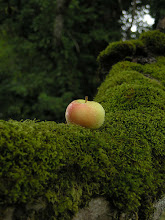
While it’s still cold out and the buds have yet to break on the fruit trees, my attention has turned to our ailing apple tree. I noted late in the summer how terrible it was looking-it was being attacked by bugs and had a black infection of some sort on many of the already scarce leaves. Over the months I have concluded the issue needed a coordinated plan: gophers were having a hay day around the roots, the soil was packed from hundreds of little feet beating it down, and weeds extended right up to the trunck-it hadn’t been fed in a long time.

Over the course of three days, students came out and helped me weed, cultivate, and fertilize with a root-building fertilizer within the large garden edging circle I’d installed at the base of the tree. They also planted vetch to enrich the soil, borage and mullein that will attract bees while in bloom, and improve the soil when they are cut back for the winter and some flower bulbs..just because! Finally, we mulched with chips, and the result can be seen below!

A visible project like this is such a rich source for conversations and teaching. We talked about plant nutrition, and what our bodies need. We talked about how this plant’s diseases were symptoms of a larger problem with getting the right food and having too much stress-with obvious parallels to human health. We looked at roots, we looked at the plants we were transplanting, we found five large butterfly cocoons in the branches and it hit us all how important it was to save this tree!

Friday, February 5, 2010

Guerrilla Gardening in the spring


Can we estimate the subliminal effects of placing a LIVING salad where you’d least expect it? I don’t know, but it was fun to stop by and see the students gathered around the box of veggies in the quiet zone. Over time, they grew from a salad to a wild looking flower garden as the arugula and mustard greens bolted. Food for intrigue? Thought? Just for fun?